Back-to-school wellness tips for kids

Check these off your list.

Smiling child playing with toys

The first day of school brings new outfits, busy drop-offs and plenty of photos. It's also a good time to reevaluate your child's health and wellness to give them a strong, healthy foundation for the school year ahead.

Help prepare your child, both physically and mentally, by adding these eight tips to your back-to-school checklist.

1

Make sure they're up to date on their vaccinations.
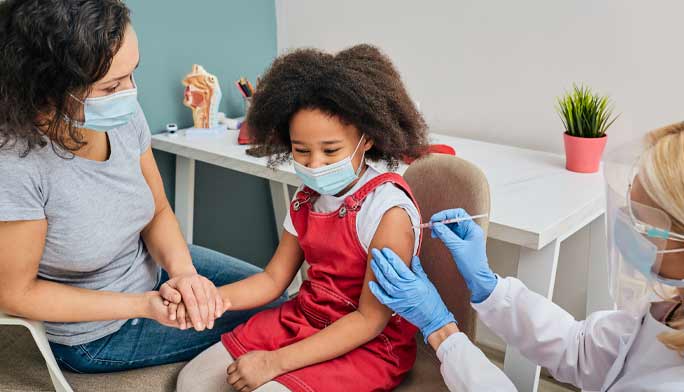

Mother and daughter receiving vaccine shot

Putting school requirements aside, keeping up with your child's immunizations is one of the most important things you can do for them. Our preventive care checklists include important exams and vaccines to help you keep track of what they need, and when. View our preventive care checklist for children (birth to 10 years) and our checklist for adolescents (11–17 years).

2

Get their eyes checked.


Doctors recommend a comprehensive eye exam during the preschool years (3 to 5 years old), and then again during the school-aged years (over 6 years old). But they may need more frequent exams with certain conditions. If you’re enrolled in an individual and family plan through Sharp Health Plan or Covered California, or through certain employer groups, pediatric vision benefits are part of your plan. View your Member Handbook for more information about your plan benefits.

3

Build healthy sleep habits.


Children between the ages of 6-12 need 9-12 hours of sleep, while teens need 8-10 hours of shut-eye, the Centers for Disease Control and Prevention say. Learn how to get kids on a regular sleep schedule.

4

Make time for play.


Young boy playing with toy train set

Many children thrive in structured environments, like school, where there’s a consistent routine and schedule to follow. Scheduling time for play gives kids more opportunities to learn, whether that’s through problem-solving or navigating their environment. Play isn’t just important for kids, it’s good for parents, too! Check out this webinar from Best Health® that explores the benefits of play, how it affects your relationships and more.

5

Put a focus on good nutrition.


Young boy eating lunch

Most kids love junk food, which is why these nutrition tips can come in handy. It’s important to give children healthy options and model good eating habits ourselves. Try these five tips to support your child’s healthy lifestyle.

6

Set open communication about cliques.


One of the hardest parenting moments comes when you witness your child being hurt by their peers. It's up to parents to help children recognize healthy friendships. Bullying can affect children’s physical and emotional health. Behavioral health services can provide additional support and services are available without a referral from a primary care physician. View behavioral health tips, tools and resources and search for a provider online.

7

Limit their screen time.


Switching from summer to school-year screen time can be a challenge, as many parents are more lenient when school is out. Setting consistent rules is important and affects a child's learning. Try these six tips for building good screen time habits.

8

Help them (and you) make health a priority.


School year sicknesses can be difficult, but there are ways to keep them to a minimum. Help stop the spread of germs and viruses with these easy hand-washing tips, like humming the “Happy Birthday” song while scrubbing for 20 seconds. They’re great reminders for your little ones. Flu season is around the corner — here’s how to prevent the flu and stay well.

Have kids heading off to college this year?

We’ve got them covered. View our young adult’s guide to accessing care to find out how they can receive care while they’re away from home.


You may also like …

Young child sitting covering face with book

Help your child manage back-to-school stress

The majority of San Diego kids and teens have returned to school. Try these tips.

Youth playing volleyball

Preventing sports-related injuries

Learn how to reduce injury risk in youth sports.